


THE BEAUTY ED®’S NOTE: Avery, Mentee at THE LAB investigates the "Tanorexia" epidemic and the biology behind the burn. From Coco Chanel’s 1923 yacht trip to the rise of #sunburnttanlines on TikTok, this report exposes the link between the Western beauty standard and the rising risk of metastatic melanoma in young people.
In America’s unspoken guide to being attractive, tanning has sprung to the top of the list. We soak up the sun, salute the spray tan and turn up to the tanning bed. Despite the time and energy we spend trying to improve it, not everyone realizes the true cost is their skin.
According to the FDA, extended time in the sun can lead to severe eye damage and variations of skin cancer, from basal and squamous cell carcinoma to melanoma.
The Biology Behind The Burn
“All three [cancers] can be dangerous. Squamous cell will metastasize more readily than basal cell and can kill you more often than both basal cell and melanoma,” Anatomy Teacher Lisa Peck said:
“People who have melanoma and don’t check their skin regularly usually have a seizure and go to the hospital. They’re diagnosed with a brain tumor, but they find the melanoma, and they realize that it has metastasized to the brain. At that point, there’s no chance of survival.”
Additionally, the Advanced Dermatology and Skin Care Center notes that tanning beds can pose health risks, including immune system suppression, photoaging and more.
Spray tans aren’t off the hook, either. The National Library of Medicine states dehydroxyacetone (DHA) - the main chemical in fake tanners - creates the browning effect, which is potentially genotoxic, meaning it can damage cells’ internal genetic material.
Benefits of Moderate Exposure
While the sun may be burning us to a crisp, it does have some lit benefits. A moderate exposure to UVB enhances our bodies’ ability to absorb calcium, thanks to the rays triggering a chemical reaction in our skin that produces Vitamin D3.
“I feel like [tanning] is natural makeup. It’s better if I’m wearing no makeup than if I’m pale. I feel like it makes me look skinnier,” senior Veronica Sarkis said.

Sarkis isn’t the only one up on the trends. ABC News says the TikTok hashtag #sunburnttanlines has accumulated over 200 million views, reflecting our attachment to bronzed skin and creating the perfect environment for a national tanning obsession.
“[Tanning] is ingrained in our society, at least in Western culture. It signifies that you’re rich enough to go on vacation and have leisurely time to go outside. People don’t really think ‘hey, past thirty, I’m going to start getting a lot more wrinkles and sun damage that can’t go away,’” junior and sunscreen enthusiast Sofia Lee.
In Europe and Asia during the medieval, Victorian and Renaissance eras, being extremely pale was the ideal. Women would even paint their faces white to appear more fair.

Tanning: The ‘Accidental’ Aesthetic
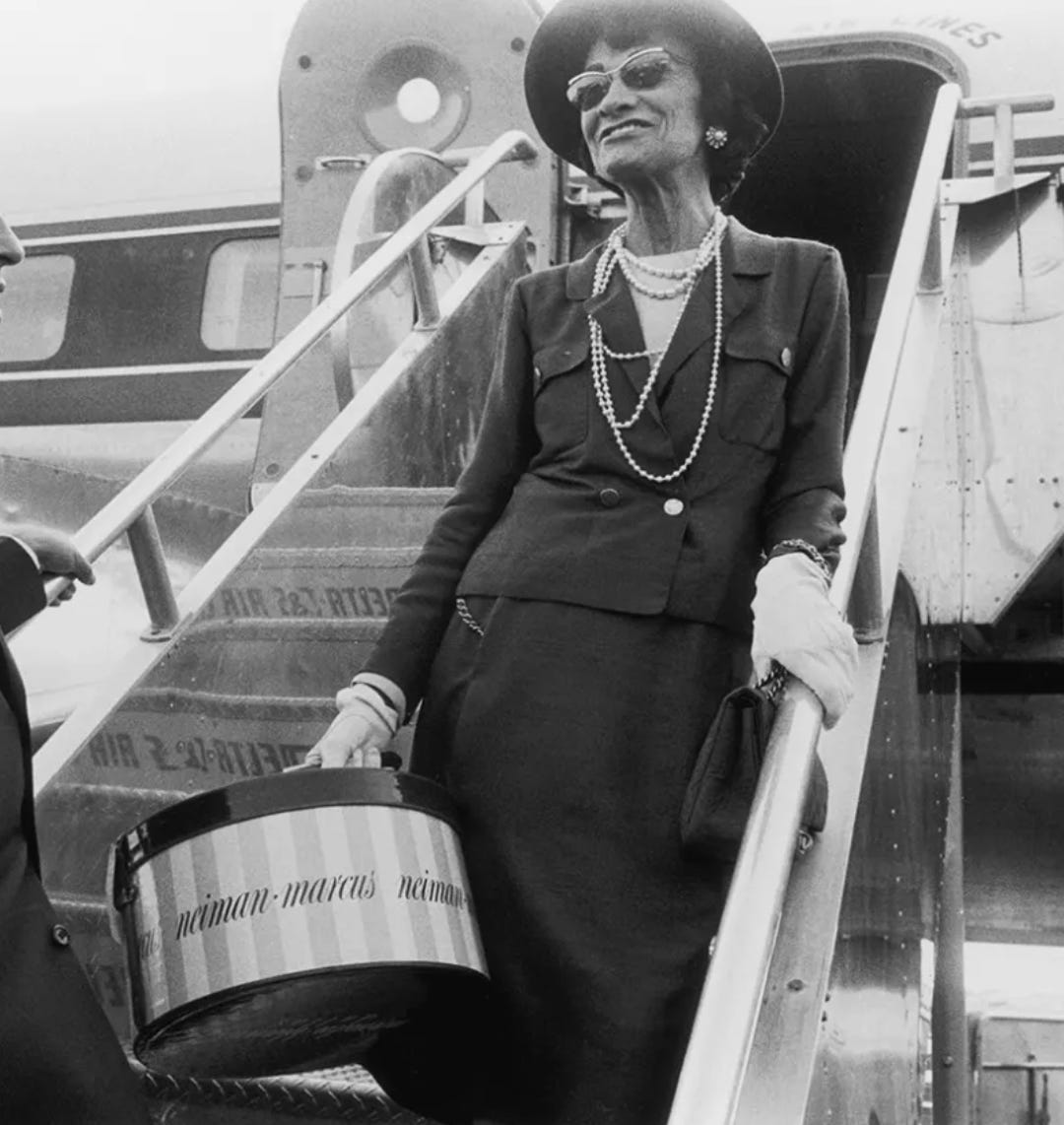
However, that all changed in 1923. Allegedly, Coco Chanel fell asleep on a yacht and got a bad sunburn. Returning from her yacht trip, she appeared more bronze, which set off the tanning craze. Yet, in some cases, the tanning fixation has begun to cross the tan line, leading to a craving that burns our mental health just as much as our skin.
According to rehab.uk, tanorexia is a tanning addiction that’s linked to body dysmorphia and eating disorders. With tanorexia, one may have a psychological or physical dependence on UV. In broader terms, a tanning addiction usually begins when a person is unhappy with their appearance.
“I wish we could somehow teach people to be comfortable in their skin and not feel that they have to have a tan. It’s just so unhealthy, and the incidences of skin cancer are rising dramatically in young people,” Peck said.
The Rise of Tanorexia
In 2018, the University of Southern California (USC) stated that another cause of tanorexia may be the mood-boosting endorphins UV rays provide. They also said that 7 percent of 16-17-year-olds in Los Angeles met the criteria for addiction.
Regardless of the danger, American society expects us to look tan. We may not be simply dipping our toes into the ocean, but also into a beauty “requirement.”
“I feel like the beauty standard is being tan. That’s why I feel more compelled to. Sometimes, if I have a lot of homework, I don’t want to go out and lie in the sun for two hours, but I feel like it will make me look better,” senior Veronica Sarkis said.
Lee added, “I never thought that skin color should be a trend. I just don’t think we should glorify tanning because it’s a little stupid,” she said. “It’s just the color of your skin, and it’s not that big of a deal. If it’s pale, if it’s tan, if it’s whatever. It’s something you can’t really control, so why stress about it?”
Avery Lurie is a junior, beauty content enthusiast and THE LAB mentee who enjoys writing makeup reviews and opinions on beauty culture. You will most likely see Flower Knows, e.l.f, and M.A.C on her vanity.
Thanks for reading THE LAB by The Beauty Ed®. If you’d like to show your support, please consider subscribing 💌 And please share our work: it keeps thoughtful and truthful beauty journalism alive ♡

I love this!! So well written